Modern interior design has changed a lot over the past few years. Earlier, materials were often selected mainly for how they looked. Today, that’s only half the story. Designers now think about how a surface will perform after months — even years — of daily use.
Whether it’s a luxury home, a busy commercial space, or a hospitality project, the focus has clearly shifted toward materials that balance aesthetics with long-term practicality.
One material that keeps coming up in these conversations is engineered stone. You’ll find it everywhere — from sleek kitchen countertops to large commercial installations. And honestly, there’s a reason it’s becoming a go-to choice.
Engineered Stone vs Natural Stone: What’s the Real Difference?
Before comparing the two, it helps to understand what sets them apart.
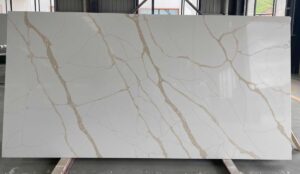
Engineered stone is a manufactured surface, usually made by combining natural quartz with resins and pigments. Because it’s created under controlled conditions, the end result is consistent in colour, texture, and strength.
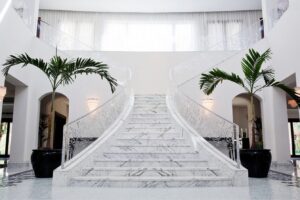
Natural stone, on the other hand — like marble, granite, or quartzite — comes straight from the earth. No two slabs are ever exactly the same. That uniqueness is beautiful, but it can also create challenges, especially in larger projects.
So while natural stone offers character, engineered quartz surfaces bring reliability — and that’s often what designers need.
Why Designers Often Lean Toward Engineered Stone
1. Consistency Actually Matters More Than You Think
In smaller projects, variation might not be a big issue. But imagine working on a hotel or a multi-unit residential project — suddenly, matching slabs becomes a real headache.
With engineered stone slabs, what you see is pretty much what you get every time. That level of consistency makes life much easier for designers trying to maintain a uniform look.
2. Less Maintenance = Fewer Problems
Let’s be practical — not every client wants to worry about sealing surfaces or avoiding stains.
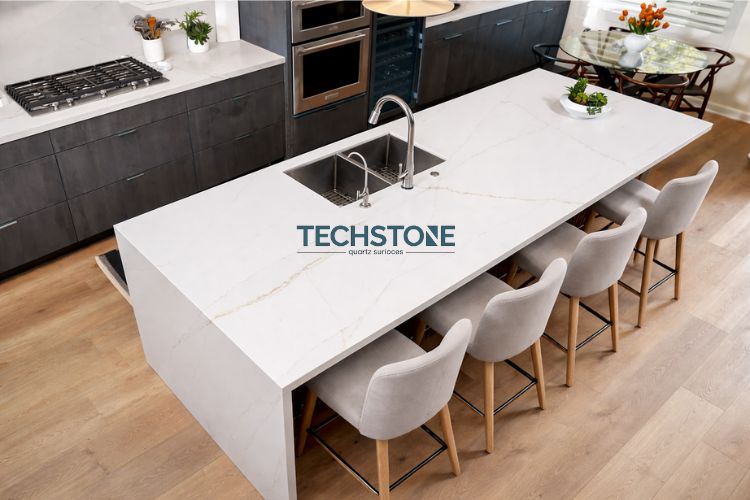
Natural stones like marble and granite can absorb liquids if not properly maintained. Engineered quartz countertops don’t have that issue. They’re non-porous, easy to clean, and much more forgiving in everyday use.
That’s one of the main reasons they work so well in kitchens, bathrooms, and commercial settings.
3. Built for Everyday Use
Surfaces go through a lot — especially in high-use areas.
Engineered quartz is designed to handle scratches, minor impacts, and regular wear without showing damage too easily. In spaces like kitchens or offices, that durability becomes a big advantage over time.
4. Cleaner, Seamless Designs
Modern interiors are moving toward cleaner lines and fewer visual breaks.
Large slab formats in engineered stone make it possible to create long countertops or wall panels without too many joints. The final result looks more refined — and honestly, easier to maintain too.
5. Design Flexibility Is a Big Plus
Sometimes a project demands a very specific look — maybe a marble finish, maybe a concrete texture.
With engineered stone, you have more control over colours and finishes. That flexibility makes it easier to match design themes or brand requirements, especially in commercial interiors.
6. Budget Planning Becomes Easier
One thing that often gets overlooked is pricing stability.
Natural stone prices can vary depending on availability and sourcing. Engineered stone, being manufactured, usually offers more predictable pricing. For developers or contractors, that makes planning much smoother.
Where Natural Stone Still Stands Strong
That said, engineered stone isn’t always the answer.
Natural stone still has its place — especially when the goal is to create something unique.
- The natural veining in marble? Hard to replicate
- Heat resistance in granite? Still better in many cases
- Premium feel? Natural stone often wins here
In high-end or statement designs, natural stone can bring a level of character that engineered materials can’t fully match.
Where Engineered Stone Works Best
In practical terms, engineered stone fits well in:
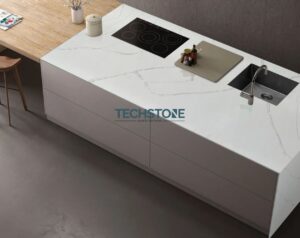
- Kitchen countertops and quartz platforms
- Bathroom vanities and wall cladding
- Office and retail interiors
- Any space with heavy daily usage
Its strength, consistency, and low maintenance make it a reliable choice for modern interiors.
How to Decide Between the Two
There’s no one-size-fits-all answer, but a simple way to think about it:
Go for Engineered Stone if:
- You need a consistent look across multiple areas
- Maintenance should be minimal
- The space will see heavy use
- Budget control is important
Choose Natural Stone if:
- You want a one-of-a-kind appearance
- The project focuses on luxury design
- Heat resistance is a priority
- Natural patterns are part of the concept
Common Mistakes People Still Make
Even experienced buyers sometimes get this wrong:
- Choosing only based on appearance
- Ignoring long-term maintenance
- Not checking slab sizes in advance
- Overlooking how the material will age
A good design decision always balances looks with performance.
FAQ
Is engineered stone better than natural stone?
Not always. It really depends on where and how you plan to use it.
What works best for kitchen countertops?
In most cases, quartz countertops are easier to maintain and more practical for daily use.
Can engineered stone fully replace natural stone?
In many situations, yes — but natural stone still has its own charm, especially in premium designs.
Conclusion
The rise of engineered stone doesn’t mean natural materials are disappearing. It simply shows that design decisions are becoming more practical and performance-driven.
Engineered quartz surfaces offer consistency, durability, and ease of maintenance — all of which matter in modern spaces. At the same time, natural stone continues to hold its value where uniqueness and character are important.
In the end, the best choice isn’t about trends. It’s about understanding the space, the usage, and what the project really needs.